
For immediate publication
For additional verifiable proof, send an email to ivymclemore@gmail.com
I know who Satoshi Nakamoto is, where his bitcoins are, and three provable reasons The New York Times got it wrong
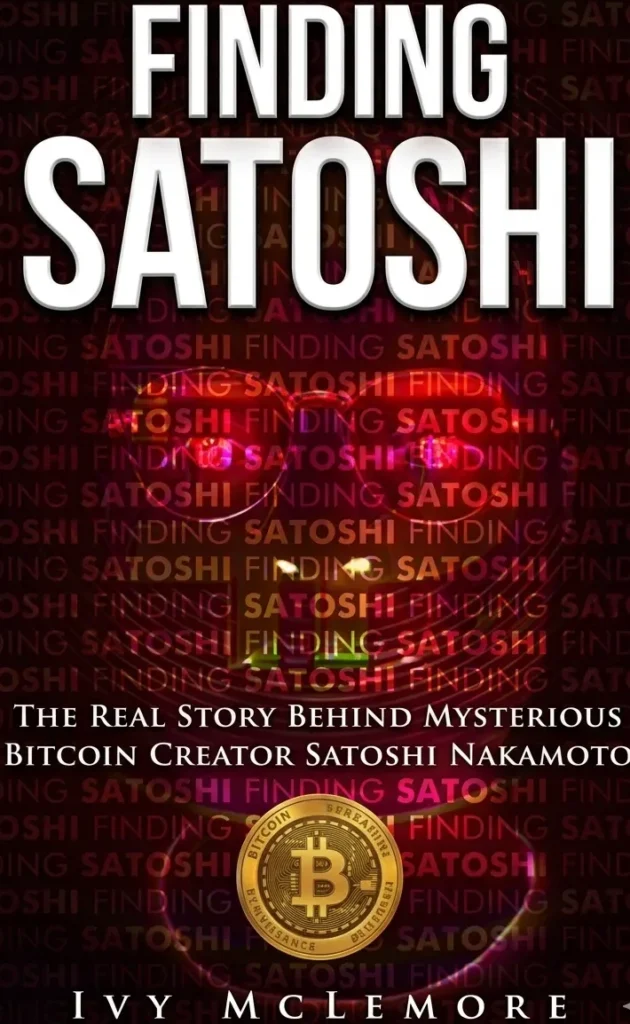
Author – Finding Satoshi: The Real Story Behind Mysterious Bitcoin Creator Satoshi Nakamoto (2022)
The investing public deserves to know the long-awaited truth.
The mysterious Bitcoin creator is Richard Vanderbilt. He has two residences in Finningley, UK. He recently changed his legal name from James Caan. The UK was his country of residence when he created Bitcoin, although he is Pakistani, born Bilal Khalid.
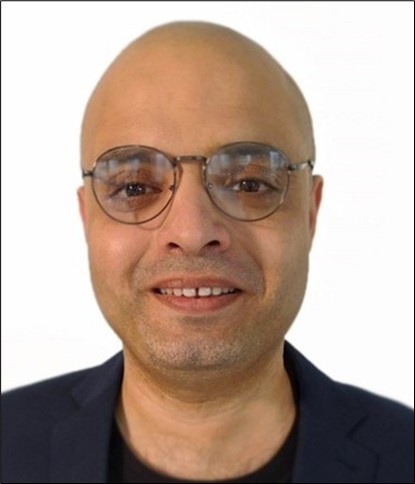
James Caan
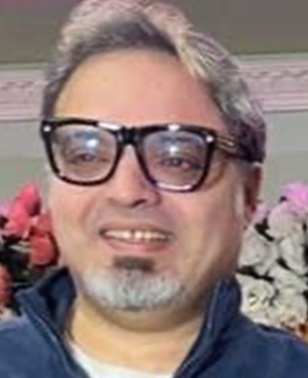
Richard Vanderbilt
In fairness to The NYT, humans and AI have failed in every attempt to find Satoshi. I didn't find him, either. He found me when he hired me in 2019. We signed a 10-page contractual agreement to reveal his identity and promote his next generation of Bitcoin.
He was disappointed Bitcoin had strayed far from his original vision of allowing payments to be sent peer to peer without the need for a financial institution. Satoshi still feels that way and is taking steps toward that end.
I have a moral obligation to end speculation about Satoshi's identity and the status of his bitcoins. My sole motivation is as a vessel for truth. That’s why I'm making my book Finding Satoshi available via PDF. My book has 16,000 words either spoken or written by Satoshi.
Newsweek's preposterous 2014 cover story had only 32 words from the wrong guy!
The recent ill-advised NYT story and Coinbase commercial for Bitcoin misleadingly and laughably disguised as a four-year investigative documentary has pushed me to the breaking point. Subsequent online chatter that Satoshi has suddenly become irrelevant is uninformed opinion and utterly false.
Bitcoin is the top-performing asset over the last decade with astronomical returns significantly outpacing traditional investments. The Bitcoin investing public deserves to know the long-awaited, provable truth before the next so-called Satoshi "investigation" names Santa Claus and the Easter Bunny.
Even Mark Cuban, who my business associate Michael Jones and I both have great respect for, fell for the shockumentary. Michael is the person who discovered the blind ad that started our seven-year Satoshi adventure. Access PDF
And to Adam Back's credit, he has been 100% truthful in denying he is Satoshi and in finding fault the way the documentary's "findings" were presented.
Among the many, many facts I will prove:
- He took the name Satoshi from Satoshi Sumita, the Governor of the Bank of Japan in the 1980s. Satoshi was the only identifier he used on emails when he first wrote Hal Finney in 2005 about Finney's Reusable Proofs of Work—a precursor to digital cash. Finney responded, "Satoshi who? Satoshi Nakamoto?" That was the name of a neighbor one mile from Finney's home in California. Newsweek misidentified that Satoshi as the real Satoshi in a hastily contrived 2014 cover story. Access PDF
- Finney did more than suggest the alias Khalid/Caan/Vanderbilt eventually adopted. He did some of the project's C++ coding, provided Satoshi with remote access to computers, and encouraged him to follow through on his seminal vision of the world's first decentralized cryptocurrency. "Hal (Satoshi pronounces it Hawl) was the one who believed in my vision when no one believed," Satoshi told me in 2019.
- Satoshi felt he needed an alias. He was only 30 when his Bitcoin white paper was published. His actual birth date is Sept. 29, 1978, not April 5, 1975, as listed on his original P2P profile. Satoshi also is not a white male, which made him an outlier among cypherpunks, a group he first became interested in at the age of 14.
- His decision to adopt an alias and remain anonymous until he left Bitcoin has resulted in a textbook example of racial profiling by the media and others seeking his identity.
-
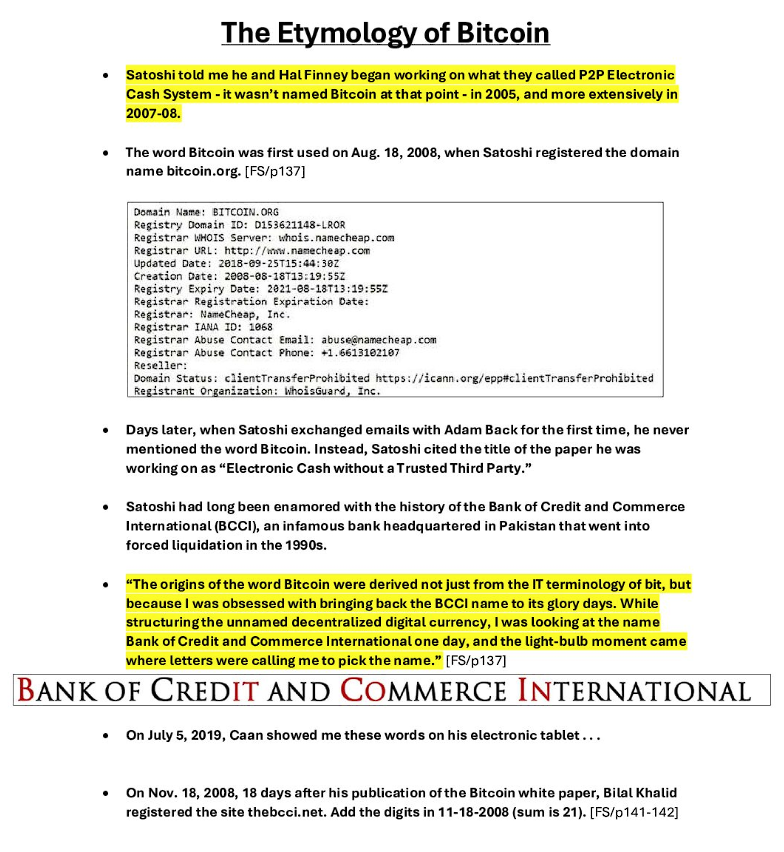
The etymology of the word bitcoin? He took it from letters in
Pakistan's former Bank of Credit and Commerce International. His father
was a banker, but did not work at BCCI.
Access PDF

- Satoshi didn't tell his wife Zhada Khaliq he was Satoshi Nakamoto until 2018, a fact she confirmed to me separately in the living room of their townhome and even where they were seated at the time. They'd been married eight years!
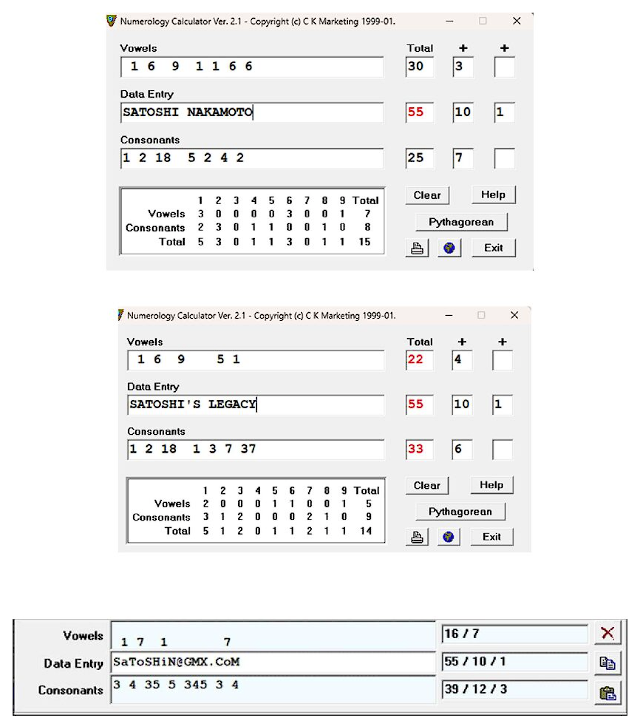
The day I met Satoshi in Manchester in summer 2019, he showed me an online Chaldean numerology calculator. The name Satoshi Nakamoto, the words Satoshi's Legacy, and the satoshin@gmx.com email address on the first page of the Bitcoin white paper all have something in common: a value of 55 in Chaldean numerology, a powerful number said to represent two hands of five digits clasped in prayer. Access PDF
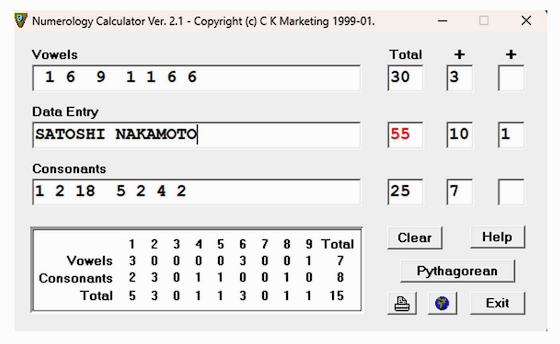
Satoshi told me it was the only time he ever used that satoshin@gmx.com address.
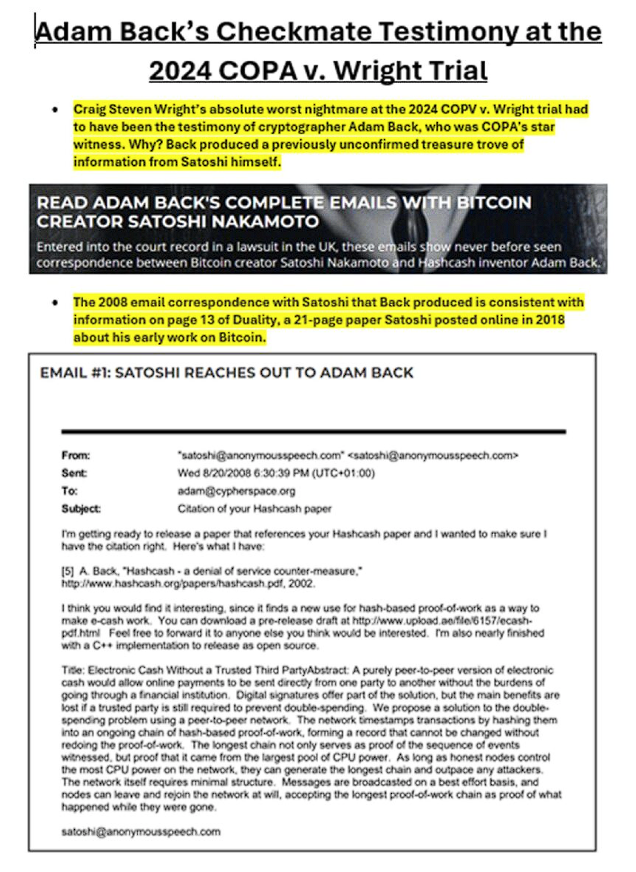
That brings us to a little-known 21-page paper titled Duality that Satoshi wrote anonymously from a first-person perspective on his early work on Bitcoin. Duality first appeared June 29, 2018. It is still available online.
Access PDFI've interviewed thousands of people from all walks of life during my professional career. Satoshi thoughtfully and directly answered every question I asked him and never contradicted himself. His credibility level was off the charts.
Back (whom the NYT has incorrectly ventured is Satoshi) first shared email communications from 2008 he had with Satoshi at the COPA v. Wright trial in February 2024. Access PDF
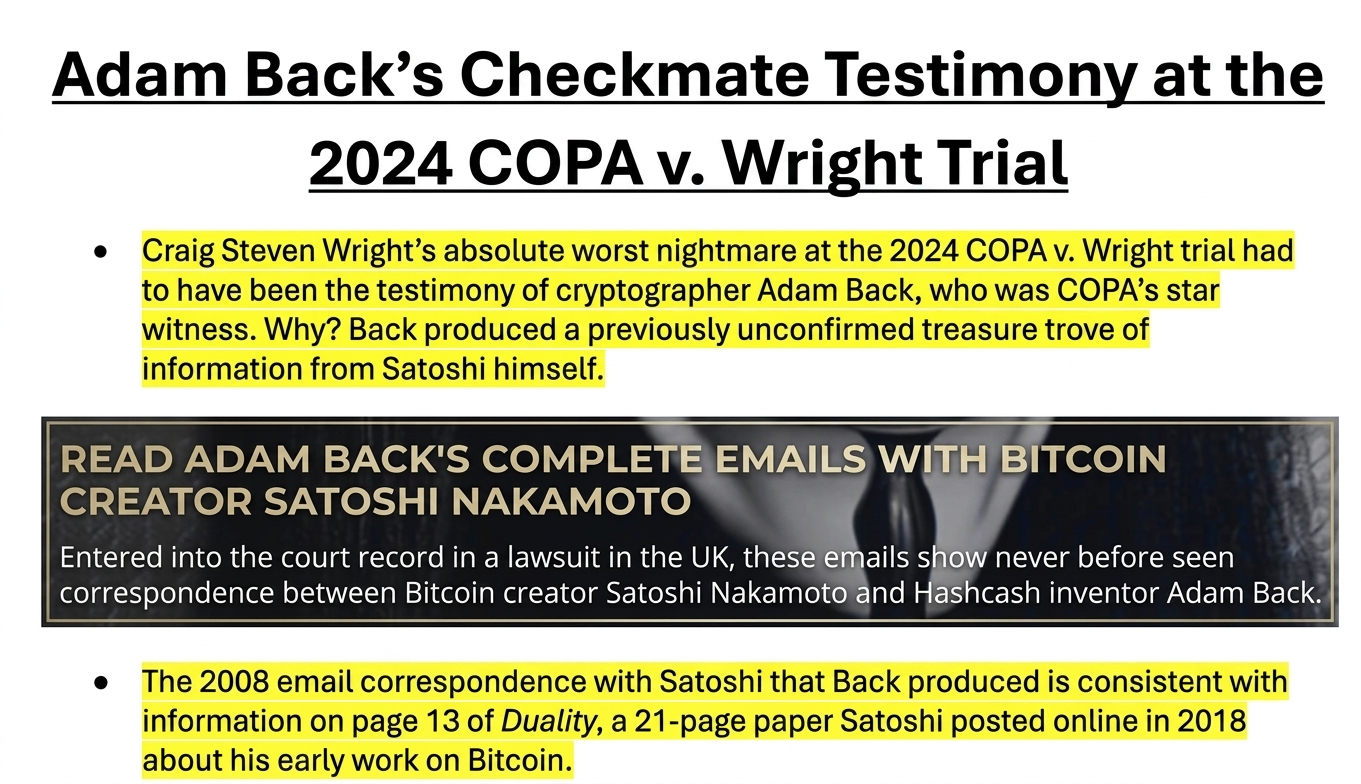
Satoshi's version on pages 12-13 of Duality of the emails he and Back sent each other match squarely with Back's testimony at trial. If Back were Satoshi, why would he write eight paragraphs in Duality about sending emails to himself?
And Duality is 21 pages long for Chaldean reasons related to the number 21 Satoshi favors. Bitcoin's mining limit? 21 million. The date he mined the first bitcoins (01-09-2009) before sending them to Finney three days later? Take the sum of the digits.
In October 2019, Satoshi asked me to recommend a US-based crypto lobbyist to represent his firm, Satoshi Nakamoto Renaissance Holdings, because he thought he was being targeted by the US government. To retain a lobbyist, Satoshi had to comply with the Foreign Agents Registration Act of 1938 and disclose his full legal name at the time (James B.K. Caan), any associated alias, and his UK residency. Access PDF
That information has been publicly available on the US Department of Justice website for years along with copies of August 2020 letters sent to the SEC, CFTC, and OCC by Satoshi's lobbyist on his behalf. I find no record of Back, a Malta resident since 2009, under FARA. Access PDF
In the letters, Satoshi wrote, “As a subject matter expert, I’m available to help team up with the Government and regulatory authorities in the USA . . . I foresee the destiny of the Chain of blocks/Block chain industry altering the global economic models, with the USA leading this revolution. And it’ll be my honour to be part of this transformation.”
He feels the same way today.
On pages 149-150 of my book, I factually expound on why using stylometry as a way to identify Satoshi is a fool's errand. The NYT worked on it for 18 months. I've worked on it for seven years. The three reasons The Times got it wrong was a result of overlooked information long in the public domain. Access PDF

And now, the answer to the big question (where are the coins and why
hasn't he moved them): Satoshi lost the 980,000 bitcoins he had left of
the 1.1 million he mined as the result of a hard-drive crash on his laptop
in 2010. It's why his bitcoins have never moved and never will, and why he
once Googled the least painful way to commit suicide.
Access PDF
A recent documentary titled Finding Satoshi (not connected with my book) was not based on fact. I was interviewed by the producers but did not sign the release because they were not interested in getting the story right. They identified Finney and Len Sassaman, the latter of whom had nothing to do with Bitcoin. And Sassaman certainly did not write the white paper, as the "investigators" claimed.
Let me be specific. Shortly after my book was published on Amazon - and summarily trashed by serial fabulist Craig Steven Wright and his horde of BSV cultists bankrolled by billionaire Calvin Ayre - I sat down for a two-hour remote interview with Matt Miele of Quixotic Endeavors, listed as a director of last week's questionable effort.
My interview was filmed by a three-man crew dispatched from Orlando with elaborate audio and video equipment. It took place in a conference room at the JW Marriott Turnberry Resort in Aventura, Fla.
During the Aug. 10, 2022, interview, I repeatedly covered the same preoccupation with numbers Satoshi had that Puckett referred to in the documentary, among many other different proof points from my book. When later asked to grant legal permission to use the interview, I said I would only on the condition the producers knocked on Satoshi's door in the UK. I gave them his address. Access PDF
The producers never followed through, yet their "investigators" said they interviewed "hundreds" of experts in the last four years.
Really?
It's more convenient to identify two dead men as co-Satoshis when page 19 of the Coinbase prospectus cites Satoshi cashing in his coins as a risk to the stock's performance.
I should know. After 20 years as a reporter and executive editor, I worked for 23 years at AIM Funds, Invesco, and Guggenheim under the legendary Scott Minerd, since deceased. Scott was the most intuitive investor I've ever known.
The only shiny nugget in the overhyped documentary came from retired FBI agent Kathleen Puckett, credited with fingering the Unabomber in the 1990s: "This is a guy (Satoshi) who trusts numbers and not people."
Indeed, Satoshi encrypted numbers to serve as digital DNA during his work on Bitcoin. As another example, the sum of the digits is 15 in each of the red-letter dates of the Bitcoin white paper (10-31-2008), the creation of the Genesis block (01-03-2009), and the date Satoshi first sent coins to Finney (01-12-2009).
Oh, about my business contract with Satoshi. He sent me one which we both signed on July 9, 2019. He puzzled me when he asked me to tear that one up so we could both sign a final one two days later on 07-11-2019.
There's 21 again.
"The only universal language we have is numbers," he told me.
Satoshi has never been focused on money. He is interested only in his legacy and launching the next generation of Bitcoin to fulfill his original vision. He is as nefarious as Bambi.
What's next? Satoshi has been working on The Bitcoin Holding Ecosystem—six specialized blockchains engineered for value storage, intelligence computation, economic stability, and quantum-resistant security.
Access PDFSatoshi Nakamoto Timeline 1975-2026
Access PDF